- Oregon teacher fought school attacker before armed dad shot suspect 'multiple times' Sat, 17 Oct 2026 01:19:04 GMT
The 16-year-old suspect previously attended the primary school and had targeted a special educational needs classroom, police say. - Trump waives several Russia sanctions as new US law takes effect Sat, 17 Oct 2026 02:48:36 GMT
Trump says parts of a new law that aims to punish Moscow for its war against Ukraine are against US national interests. - Third runway at Heathrow Airport would drive growth, Healey says Sat, 17 Oct 2026 03:57:16 GMT
It comes after the prime minister refused to say whether he backed expansion. - Analysis: Zacharia was thrown into a whirlwind - and failed at a critical time for Trump Fri, 16 Oct 2026 21:02:18 GMT
The White House is facing growing adversity, writes the BBC's Anthony Zurcher, weeks before crucial midterm elections. - Five days, one briefing: How Katie Zachariaâs short tenure unfolded Fri, 16 Oct 2026 20:28:59 GMT
The White House says the new press secretary is "transitioning out" of the role just days after taking the job. - Chris Mason: Burnham and Swinney tussle over where power lies in Scotland Fri, 16 Oct 2026 20:08:07 GMT
UK political debate has a distinctly Scottish feel after SNP's annual conference, says the BBC's political editor Chris Mason. - Miranda's tears, joy and dance moves steal show as deadly boredom sets in on The Celebrity Traitors Sat, 17 Oct 2026 01:34:52 GMT
Miranda Hart became emotional and spoke about her health problems as more action unfolded on Friday. - Faisal Islam: What I learned from a week with the world's top finance leaders Sat, 17 Oct 2026 01:59:48 GMT
At the IMF meeting in Bangkok this week finance and business leaders grappled with uncertainty. - Trump 'completely wrong' to restrict support for Ukraine, Italian minister tells BBC Fri, 16 Oct 2026 23:54:35 GMT
Defence Minister Guido Crosetto tells the BBC the US risks prolonging Russia's full-scale invasion rather than helping to end it. - Man killed by tiger may have had medical records breached by NHS staff Fri, 16 Oct 2026 16:53:07 GMT
William Chapman, 24, was mauled to death at Yorkshire Wildlife Park, near Doncaster, on Saturday. - Brazil sees record fall in Amazon deforestation as key election looms Sat, 17 Oct 2026 02:33:09 GMT
The Amazon rainforest is a crucial buffer against climate change - but deforestation had expanded under former president Jair Bolsonaro. - Police feared Andrew would delay search by saying King owned his home, documents show Fri, 16 Oct 2026 18:37:26 GMT
Legal records have emerged which show why police wanted to search the royal's home and what they were looking for. - Toxic algorithms wouldn't let them go - now Australia wants an off switch Fri, 16 Oct 2026 18:11:29 GMT
Australia has proposed a switch to force social media platforms to let users turn off recommended content. - Why people who have never smoked are getting hooked on vaping Fri, 16 Oct 2026 23:49:16 GMT
More than one million people now vape who have never been smokers, according to the ONS. - The Papers: 'Mystery drones over UK' and 'Troops heading to Poland for war games' Fri, 16 Oct 2026 23:50:59 GMT
The Daily Telegraph leads with reports that RAF jets had two close encounters with unidentified drones earlier this year.
- Don’t Count Out A Republican Overperformance In November Fri, 16 Oct 2026 18:28:19 +0000
Don’t Count Out A Republican Overperformance In November - Flock CEO Faces Costumed Protesters Backed By Socialists, Raging Grannies Fri, 16 Oct 2026 17:43:45 +0000
‘making it very clear what our values are’ - Inside The Cat Fights Crippling Trump’s Inner Circle Fri, 16 Oct 2026 14:02:18 +0000
Inside The Cat Fights Crippling Trump’s Inner Circle - RFK Jr.’s Priority Plan To Put Peptides In Pharmacies Pushed To White House Fri, 16 Oct 2026 21:13:14 +0000
‘important step toward safe, regulated access’ - White House Press Secretary Katie Zacharia ‘Transitioning Out’ Just Days After Taking New Job Fri, 16 Oct 2026 17:44:54 +0000
‘Katie’s been treated very badly by the media’ - Kristi Noem No Longer Special Envoy To Shield Of Americas Fri, 16 Oct 2026 15:56:52 +0000
‘now a senior advisor ‘ - Democrat Governor Who Bragged About Stopping Pipelines Now Says ‘We Need More Gas’ Fri, 16 Oct 2026 17:13:09 +0000
‘We need more gas. We need more gas.’ - EXCLUSIVE: Data Center Cheat Sheet From Parents Group Helps Families Sort Good From Bad Fri, 16 Oct 2026 20:24:35 +0000
‘Parents have enough on their plates’ - Legacy Media Boss Set To Win Award For Being First Amendment Champion. Her Record Begs To Differ Fri, 16 Oct 2026 20:06:19 +0000
‘number one challenge’ - Most Seniors Spend Little Time Researching Medicare Before Picking Plan Fri, 16 Oct 2026 18:12:44 +0000
‘set it and forget it’ - STATE OF FRIDAY: McKinsey Wants Employees With Humanity — They’re Turning To AI Fri, 16 Oct 2026 14:00:00 +0000
In short, human touch - Former ESPN Producer Says She Resigned Over Sports Gambling Thu, 15 Oct 2026 18:59:33 +0000
“My brothers were pretty much destroyed by sports gambling addiction” - ‘War Criminal’: Iran War Protestors Scream At Hegseth While Being Dragged Out Of Event Wed, 14 Oct 2026 15:01:35 +0000
‘You’re a Nazi!’ - Creator Of Hit Gay Hockey Show Wants To Destroy The NHL Thu, 15 Oct 2026 15:12:32 +0000
“The NHL is not meeting the moment” - Def Leppard, Goo Goo Dolls Announce Epic Tour Fri, 16 Oct 2026 16:50:12 +0000
‘This is going to be a show for the ages’
- Jerry Seinfeld turns tables on radical anti-Israel agitators after chaotic Chicago stunt backfires Sat, 17 Oct 2026 06:00:48 -0400
Viral video shows Jerry Seinfeld dancing and mocking anti-Israel hecklers at the Chicago Theatre as security escorted protesters from the venue. - NCAA moves to block Ohio Governor Mike DeWine's executive order expanding college athletes' eligibility Fri, 16 Oct 2026 23:00:45 -0400
The NCAA filed a federal lawsuit against Ohio Gov. Mike DeWine, claiming his executive order gives Ohio schools an unfair competitive advantage. - Rain forces MLB to postpone Guardians-Rays ALCS Game 4 in Cleveland Fri, 16 Oct 2026 22:28:14 -0400
The American League Championship Series Game 4 rainout eliminates the off day, forcing the Cleveland Guardians and Tampa Bay Rays into four straight games. - Jalen Brunson is afraid to open the bag containing his NBA championship hat because of horrors inside Fri, 16 Oct 2026 22:00:06 -0400
Jalen Brunson admits his New York Knicks championship hat is still unwashed and sealed in a bag, now reeking of champagne, sweat and cigars. - Fox News Campus Radicals Newsletter: Judeo-Christian values under assault in American schools Fri, 16 Oct 2026 21:33:21 -0400
Stay up to date with the Fox News Campus Radicals newsletter. - Falcons' Michael Penix cleared to face Bears following rib injury as Caleb Williams' status remains unclear Fri, 16 Oct 2026 21:10:08 -0400
Michael Penix Jr. is fully cleared to face the Chicago Bears after a rib injury scare, with Kevin Stefanski saying no extra protection is needed. - Kid Rock details sit-down with Trump, Stephen A Smith and Bill Maher Fri, 16 Oct 2026 21:00:57 -0400
Kid Rock revealed details from an "epic" White House dinner with President Donald Trump, Bill Maher and Stephen A. Smith where socialism and HBCUs took center stage. - College Football Playoff expanding again, but the money behind it is not what some would call a 'win' Fri, 16 Oct 2026 20:46:53 -0400
College football playoff expansion to 24 teams moves closer as ESPN and the CFP informally agree to a $345 million figure for additional games - Pennsylvania socialist Democrat says he opposes imprisonment except for 'lawless MAGA thugs' Fri, 16 Oct 2026 20:29:01 -0400
Chris Rabb, a Democratic Socialists of America member and Pennsylvania candidate, said he wants to lock up "lawless MAGA thugs" despite being against prisons. - Bedbugs found in plane's economy seats force major airline to cancel flight Fri, 16 Oct 2026 20:15:12 -0400
A Qantas passenger described bedbugs crawling on her belongings and blankets on the Boeing 787 Dreamliner that flew from Perth to Rome. A subsequent flight was canceled. - Eagles appear set to add QB from Cowboys' practice squad as Jalen Hurts deals with blood clot Fri, 16 Oct 2026 20:10:39 -0400
The Philadelphia Eagles signed Joe Milton off the Dallas Cowboys' practice squad with Jalen Hurts sidelined indefinitely due to a blood clot. - Arizona Cardinals fans have reached the 'buying billboard space' point of frustration Fri, 16 Oct 2026 19:50:13 -0400
Electronic billboards funded by frustrated Cardinals fans popped up across Phoenix with a blunt message for owner Michael Bidwill: #BIDWILLOUT. - Florida Panthers GM Bill Zito has unusual tie to Milwaukee Brewers' last World Series run Fri, 16 Oct 2026 19:35:11 -0400
Bill Zito was the Milwaukee Brewers' bat boy the last time they reached the World Series 44 years ago, long before building a Stanley Cup dynasty. - White House reporters react to Katie Zacharia's 'brutal' exit as Trump's press secretary Fri, 16 Oct 2026 19:32:49 -0400
Fox News Digital spoke with several White House correspondents about Katie Zacharia's dramatic exit as President Donald Trump's press secretary. - Cookies, liquor and mocking Nazis fuel final stretch in fiery Texas House race Fri, 16 Oct 2026 19:25:31 -0400
Katy Padilla Stout's Texas Democratic campaign reported over $4,300 in cookies, beer and wine and Mexican restaurant spending, according to FEC records.
- Top Democrats were sent letter with 'suspicious substance' — at least a dozen others targeted, feds say Fri, 16 Oct 2026 23:40:00 +0000

Numerous politicians reported receiving letters with a suspicious substance on Friday, including Democratic Sen. Amy Klobuchar of Minnesota.
The Federal Bureau of Investigation and the U.S. Postal Inspection Service are investigating numerous letters that were sent to state election officials and congressional offices, according to a spokesperson for the USPIS.
'Political violence has no place in our democracy, and we hope those who perpetrated this crime are brought to justice.'
"Like has happened across the country, my Minnesota office was sent a letter containing a suspicious substance, and we were promptly notified by the Capitol Police and postal inspectors," Klobuchar wrote in a statement on social media. "Thanks to the postal workers and investigators who identified and intercepted it, no one in our office was in immediate danger."
A similar letter was sent to Senate Minority Leader Chuck Schumer but was intercepted by law enforcement officials.
Republican Sen. Mike Rounds of South Dakota said his Sioux Falls office also received the suspicious letter.
"Our Sioux Falls office will be closed for the remainder of the day as SFPD continues to investigate and will reopen for normal hours on Monday morning," he wrote. "This situation is deeply concerning and follows a trend of intimidating tactics that impact our team members. This has no place in our nation. America is better than this."
He posted an image showing that the return address read "DSA," which could stand for the Democratic Socialists of America.
Democratic Rep. Hillary Scholten of Michigan said her letter also read "DSA" and contained an "unidentified white power."
"Today I learned that my office was the intended recipient of a suspicious letter containing an unidentified substance in what appears to be a deliberate attempt to cause harm to me and my staff," wrote Rep. Analilia Mejia, a Democrat from New Jersey.
Others who reported receiving the threatening letters include Democratic Rep. Sarah Elfreth of Maryland, Democratic Rep. Kelly Morrison of Minnesota, Democratic Sen. Lisa Blunt Rochester of Delaware, Democratic Rep. Ritchie Torres of New York, and Florida Democratic Reps. Maxwell Frost and Darren Soto.
"Political violence has no place in our democracy, and we hope those who perpetrated this crime are brought to justice," Soto said on social media.
"We are committed to protecting our nation's election officials from threatening and dangerous mail. Any threat or attack on an election official is unacceptable," said USPIS deputy chief inspector Brendan Donahue.
"Our partners, including the FBI and we at the Postal Inspection Service, will bring all of our resources to bear on these investigations," he added.
Like Blaze News? Bypass the censors, sign up for our newsletters, and get stories like this direct to your inbox. Sign up here!
- Ilhan Omar's husband barks at reporter asking questions after home raid Fri, 16 Oct 2026 22:35:54 +0000

A Fox News Digital reporter got a sharp rebuke from the husband of Rep. Ilhan Omar (D-Minn.) when asked about her whereabouts.
The reporter challenged Tim Mynett to comment on rumors that Omar fled the country after her home was raided Monday for an investigation into alleged immigration fraud.
'My wife came here when she was 12 years old as a child war refugee. ... No concerns.'
Mynett was seen walking the couple's dog Teddy on Wednesday, but he refused to answer the reporter's question.
"There are rumors that the congresswoman left the country. Is that true?" the reporter asked.
"You guys are annoying the hell out of all the neighbors around here, man," Mynett replied.
"I just wanted to get your response to everything that's been going on, that's all, and what the president's saying about the net worth and the investigation," the reporter said. "Just giving you a chance to respond."
Video of the interaction was posted to social media.
President Donald Trump posted on Truth Social the accusations related to financial disclosure discrepancies that Omar had filed. On Tuesday, District of Columbia U.S. Attorney Jeanine Pirro told Fox News that her office was investigating the financial allegations of malfeasance.
Omar has not made any public appearances since the targeted raid by Homeland Security Investigations on Monday, prompting some to speculate that she fled the country.
Mynett previously defended Omar from allegations that she married her brother in order to obtain immigration status.
"My wife came here when she was 12 years old as a child war refugee," he told Fox News Digital on Tuesday. "No concerns."
RELATED: MS Now reporter tries to cover for Ilhan Omar — and accidentally makes the case for mass deportation
Omar responded to the raid via her social media account, where she accused the president of abusing his office to attack his political opponents.
"I'm ok. Make no mistake: this is an attempt to target political enemies and weaponize federal law enforcement," she wrote Monday.
"For ten years, Trump has targeted me with baseless lies and smear campaigns," she added. "This is just the latest escalation in his campaign of political intimidation. I will not be silenced."
Like Blaze News? Bypass the censors, sign up for our newsletters, and get stories like this direct to your inbox. Sign up here!
- Kamala defends her cackle, accuses critics of trying to steal her ‘joy’ Fri, 16 Oct 2026 21:15:00 +0000
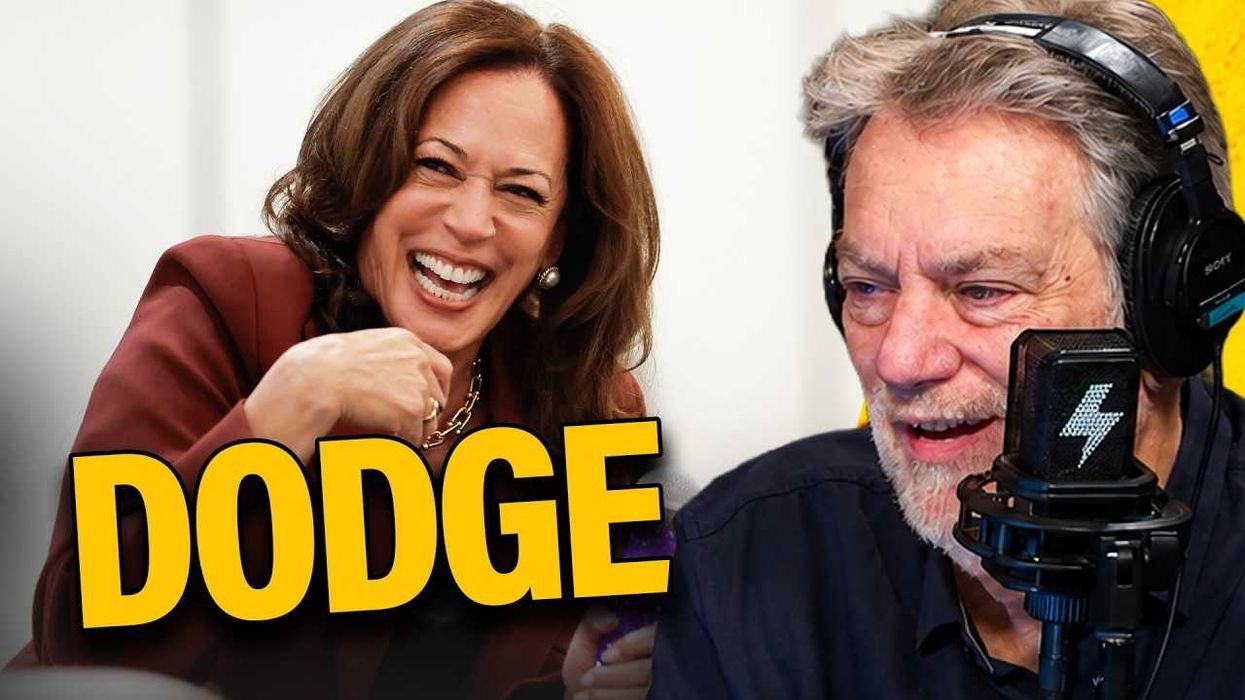
In a recent appearance on Keke Palmer’s podcast, Kamala Harris explained away her chilling laugh as an endearing family trait, before leaving the door wide open to yet another presidential campaign.
“I’m aware of the, whatever the memes are about, you know, my laugh. Well, look, I was raised in a family that included very powerful women who laughed from their bellies,” Kamala said.
“And powerful, I mean, they were powerful in their space. They were powerful in their family and their community, not necessarily titles and money. But you understand my point,” she continued, as Palmer nodded.
“And they would sit around the kitchen table with their coffee, laughing loud laughs, and that’s how I laugh. And the people that I respected laugh the same way,” she cackled.
Kamala continued, “And everybody else, you know what they can do,” before pivoting to discuss her “joy.”
“Those who try to take your joy are trying to make you weak. And that’s where my fight comes in. I know what you’re trying to do,” she added.
“What do we try to do?” BlazeTV host Pat Gray asks, genuinely confused.
Jeff Fisher notes that following Kamala’s mini-monologue on her laugh, Palmer responded to her that she was “so brave.”
“She grabbed a Kleenex and everything,” he adds.
But laughter isn’t all the pair discussed. In a follow-up clip, Palmer asked Kamala if she’ll be running for president in 2028.
Kamala laughed maniacally before answering, “I haven’t decided.”
Gray doesn’t believe her, commenting, “What a liar.”
“There’s no doubt in my mind she’s going to run,” he adds.
Want more from Pat Gray?
To enjoy more of Pat's biting analysis and signature wit as he restores common sense to a senseless world, subscribe to BlazeTV — the largest multi-platform network of voices who love America, defend the Constitution, and live the American dream.
- Man faces 6 felony hate crime charges over alleged threats to Muslim women wearing hijabs Fri, 16 Oct 2026 21:05:49 +0000
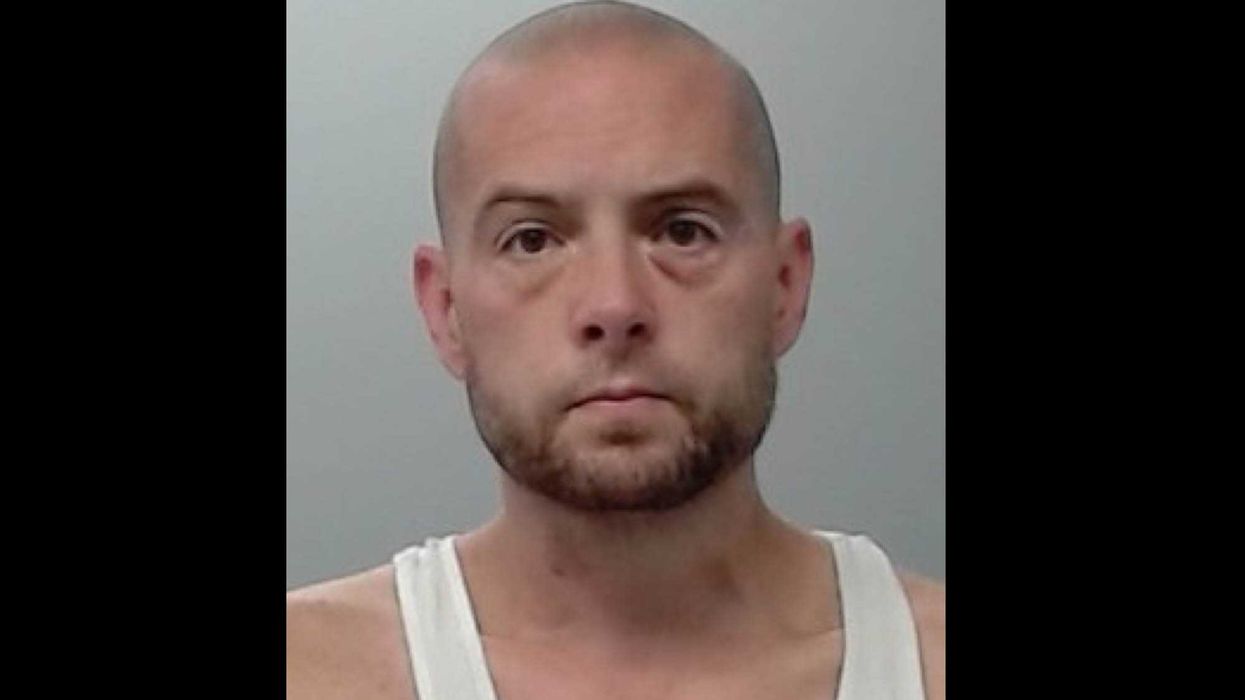
An Illinois man allegedly pretended to threaten to shoot a group of Muslim women and allegedly made derogatory remarks before getting arrested by police.
One of the women said she was trying to enter the park at Lake Opeka in Des Plaines when a man confronted her and insulted her, a police report said.
The police report said he told the women to leave the US and demanded one woman remove her face covering.
He tried to get between her and the park, but she walked around him and joined the group, Des Plaines police said.
The man approached the group at the playground and reached for his waistband to make it appear as if he had a weapon, police claimed. He allegedly pointed at them as though he had a gun and threatened to shoot the women.
"[He] told the women that they looked like Muslim 'monkeys' and 'ninjas' and that they needed to leave the country," the police report stated.
The police report noted that the women were wearing hijabs and long sleeves at the time. The police report said he told the women to leave the U.S. and demanded one woman remove her face covering.
Police later identified the man as 44-year-old Matthew R. Kindle, and he was arrested after they witnessed him yelling at another person.
He allegedly made comments referring to "white power" and allegedly made more derogatory comments about the women while he was detained. According to the report, Kindle identified himself as a white Christian and claimed to be half German and half Italian.
Kindle also claimed to police that "a group of women approached him and made a derogatory comment towards him," the police report said.
The Cook County State’s Attorney's Office approved a slew of charges against Kindle that included three felony counts of disorderly conduct/hate crime and three felony counts of aggravated assault/hate crime.
He was also charged with misdemeanor counts that included aggravated assault, disorderly conduct, and resisting a peace officer.
Kindle had previously been charged for domestic battery in 2019 after allegedly beating and kicking a woman.
 simpson33/Getty Images
The Council on American-Islamic Relations applauded the hate crime charges.
"No one should ever have to fear for their safety, let alone face threats of gun violence and white supremacist bigotry, while simply walking or spending time in a public community park," reads the statement from CAIR-Chicago executive director Ahmed Rehab.
"Law enforcement have a duty to take action against hate with a swift response and pursue appropriate felony hate crime charges in this alarming case," he added. "Bigotry-fueled harassment targeting women based on their faith and appearance is a direct threat to the safety and fabric of our communities. We stand in full solidarity with the victims and will continue monitoring this case to ensure that justice is fully served.”
State Rep. Justin Cochran, a Democrat, called the incident "sickening" and addressed the alleged victims, according to Journal & Topics.
"I will say this to my neighbors directly: You belong here," he said. "That is your park, this is your city, your district as much as it is anyone's."
Like Blaze News? Bypass the censors, sign up for our newsletters, and get stories like this direct to your inbox. Sign up here!
- 'Everyone is so soft': Former UFC star 'Mayhem' Miller has some tough love for young men Fri, 16 Oct 2026 20:20:00 +0000

Jason "Mayhem" Miller has seen the highs and lows that fame can bring, and now the former MTV star and UFC fighter has some advice for young men: Put down the phone and toughen up.
Miller, 45, compiled a 23-10 record with one no contest over a colorful MMA career that included two stints in the UFC and fights against future champions Georges St-Pierre and Michael Bisping.
'Pick yourself up.'
Washing out the weakness
He was also one of MMA's great showmen, cultivating a villainous persona and making elaborate cage entrances that owed as much to professional wrestling as mixed martial arts.
"Mayhem" eventually crossed over to MTV as host of "Bully Beatdown," which ran for three seasons.
Then things fell apart.
In Miller's words: "I crashed out spectacularly. I was the first crashout in internet history."
After years of arrests, incarceration, addiction, and erratic behavior, Miller says he eventually managed to pick himself back up. Now he thinks young men need to learn how to do the same.
"Oh, it's you," Miller said before an interview with Blaze News.
With a shower running in the background, he put his camera down and announced, "I'll be a couple minutes."
He wasn't out partying. Miller was at Fight Science in Los Angeles, where he coaches.
The truth is, "Mayhem" still messes around quite a bit, even during interviews. But when he puts on his coaching hat, he starts dispensing advice that, in his words, "could fill your ears and your podcast servers for an infinite amount of time."
Determined to dump enough knowledge into young men's ears to "wash out the weakness," Miller said he's been stunned by how sensitive the country has become.
"Everyone is so soft in America now. I'm shocked at it. I'm really shocked at it," he said. "Our culture celebrates" falling into "this dark path because it's easy to fall into."
Young men can't simply rely on the status quo to provide them with a satisfying life, Miller argued. They have to make something happen for themselves.
RELATED: Sydney Sweeney wants you to prove yourself in a whole new way
Dumping the 'rectangular girlfriend'
Schools force-fed kids a diet of "whatever" and then kicked them into the job market, Miller said.
"Oh, you're going to college? Oh, if not, here's an Uber Eats job, right? Like, here's your damn miserable existence for a while, and you're going to be swiping right all day till your thumb is arthritic."
But Miller insists that misery isn't destiny.
"Nobody's going to talk back to you until you start hustling. Pick yourself up," he told young men.
Go to the gym, Miller emphasized. Get some endorphins into your body. That's the least a young man with "no drive or motivation" can do.
Much of Miller's advice comes back to phone addiction and the device he variously calls the "magic square in your pocket" and the "rectangular girlfriend."
"It's not your girlfriend. Those girls that you're looking at are not your girlfriend. They're not even real. They're two-dimensional," Miller warned.
"Put that square back in your pocket. Use it for making money. And then talk to women face-to-face. Ten of them are going to tell you, 'Get lost.' The next one is going to tell you she loves you. So get after it, kids."
RELATED: Kid Rock appears to cave to critics of Eminem collaboration — then hits 'em with the punch line
 Ethan Miller/Getty Image
Battle-ready
Miller also tells young Americans that some of the problems that feel overwhelming can be confronted only through deliberate effort.
"OK, 'I'm mad.' Is that real? Or can you count to 10 and take a breath?" he offered as an example. "'Oh, I'm sad.' Are you sad, or have you not worked through this trauma yet? You know, it takes effort to grow as a person."
Spending too much time with a computer doesn't help, Miller argued. And for all the advice he can dispense, he thinks one lost art matters more than most.
"You talk, and everybody shares their opinion. That's a lost art in America. You know, that's why the kids are lonely and [masturbating] and watching whatever all day. You know what I'm saying?"
Miller's rise, collapse, and recovery are the subject of a recent Vice episode of "Dark Side of the Cage," which has drawn hundreds of thousands of views since its September release.
These days, Miller describes himself as "leading men into battle" — on the mat and with enough advice, he says, to "fill the multiverse."
Like Blaze News? Bypass the censors, sign up for our newsletters, and get stories like this direct to your inbox. Sign up here!
- OUTRAGE ensues after Christian Chick-fil-A CEO invites LGBTQ+ activists to try CFA's delicious chicken sandwiches Fri, 16 Oct 2026 20:05:16 +0000

The corporate media are lining up once more to harangue the fans of Chick-fil-A, implying that they are homophobic for eating chicken sandwiches.
The occasion for this latest effort is the first broadcast interview with the company's CEO, in which he talks about how his Christian faith guides the mission of the chicken sandwich company.
'They’re welcome to come eat with us. We’d love to give them a great-tasting sandwich and give them great hospitality.'
"It is our anchor, in the sense of what our corporate purpose states: that we’re in business to glorify God by being a faithful steward of all that’s entrusted to us and have a positive influence on all who come in contact with Chick-fil-A,” Andrew Cathy said.
The interview with Craig Melvin of "Today" was very cordial, but it has inspired headlines claiming newly outraged critics of the company.
Melvin asked Cathy to respond to LGBTQ-identifying people who have boycotted the Christian company's chicken sandwiches over gender, sexuality, and marriage issues.
"Well, for anybody that hasn’t tried us, we’d love for you to come try and have our great-tasting food and the hospitality that we’re known for," Cathy responded. "I think that everybody that will be willing to walk in the door, they’ll see that they’re welcome to come eat with us. We’d love to give them a great-tasting sandwich and give them great hospitality."
Melvin pressed him about conservative statements made by the previous CEO, Cathy's father, in support of conservative Christian causes.
"We’re focused on serving everybody that comes in and eat with us," Cathy responded.
Critics in the comment section of an Instagram clip of the interview included Katie Couric, Valerie Bertinelli, and Chelsea Handler.
"Chick-fil-A CEO faces backlash after LGBTQ interview question," read the headline at WAGA-TV.
"Chick-fil-A CEO slammed over evasive answer about LGBTQ rights during Today interview," was the headline at Entertainment Weekly. That report included comments from two participants in a drag queen television show.
"Chick-fil-A boss grilled over LGBTQ rights as CEO dodges question about chain's controversial past — sparking a furious debate among customers," was the headline at the U.S. Daily Mail.
"Today show host leaves Chick-fil-A CEO spinning over company’s LGBTQ+ stance," claimed the headline at the Independent.
"Don't eat at Chick-fil-A. And don't sleep with anyone who does," was the headline of an opinion piece at Out magazine.
RELATED: Chick-fil-A gets support from surprising ally against religious discrimination from Buffalo
A Blaze News request for comment from Chick-fil-A was not returned in time for publication.
Melvin and his "Today" show co-hosts did not appear to join the boycott, as they hungrily munched on the sandwiches at the end of the segment.
Despite criticism from Valerie Bertinelli and two drag queens, the company manages to earn about $24 billion sales across the board last year, according to Melvin's report.
The Chick-fil-A CEO also proudly reported that the company provided more than 200 million meals for the hungry through charity efforts in the past six years.
Like Blaze News? Bypass the censors, sign up for our newsletters, and get stories like this direct to your inbox. Sign up here!
- Trump calls armed parent who took down deadly Oregon elementary school shooter a 'great hero' Fri, 16 Oct 2026 19:33:23 +0000

President Donald Trump on Friday told reporters at the White House that the armed individual who took down the deadly Oregon elementary school shooter the previous day "was a great hero," CNN reported.
“Well, I’ll tell you what. There was a great hero, and it could have been — as bad as it was, we had a great hero that went in and did the business," Trump said. "He took care of business."
'He is not seeking recognition, but instead wishes to express his gratitude to the first responders, school personnel, and community for the outpouring of love and support.'
Trump added: “And thank God we had him; otherwise it would have been much worse. It’s a terrible thing, but thank goodness for a man that had a gun and knew how to use it."
Oregon Live said a parent of a student or students at Silver Rail Elementary School in Bend pursued the 16-year-old shooter inside the school Thursday afternoon after seeing him blast through locked doors with a long gun — and the parent “engaged” and killed the suspect just before police entered the school.
State and local officials credited the parent's actions with preventing further loss of life, the outlet said.
One source told Fox News that the bystander "definitely prevented more deaths." Federal law enforcement sources added to Fox News that the bystander has a concealed carry permit.
“Looks like the shooter has been neutralized — possibly shot by a father at the school,” emergency dispatchers said in Broadcastify audio, the New York Post reported.
CBS News said the family of the man who took down the shooter issued a statement Friday identifying him as Kaylub Giamanco, a Bend resident with two daughters who attend Silver Rail Elementary School.
"He is not seeking recognition, but instead wishes to express his gratitude to the first responders, school personnel, and community for the outpouring of love and support," the family said, according to CBS News.
Police said three children — ages 5, 8, and 11 — were fatally shot at the school along with a teacher, Oregon Live reported, adding that a 7-year-old student and a 54-year-old teacher were critically injured and taken to St. Charles Medical Center for treatment.
The teenage gunman has been identified as John Griffin Jr. III, according to CBS News, citing two law enforcement sources briefed on the investigation.
The attacker used a shotgun his mother purchased, CBS News added, citing law enforcement sources.
A motive for the attack has not been provided, the news network reported, adding that the suspect was from Bend, but police have not said if he had a connection to the school.
Like Blaze News? Bypass the censors, sign up for our newsletters, and get stories like this direct to your inbox. Sign up here!
- Exposed as the ‘radical leftist lunatic that he always has been’: James Talarico cornered on abortion and ‘God is nonbinary’ claim Fri, 16 Oct 2026 19:30:00 +0000

James Talarico wants Texas voters to see him as reasonable — but at a CNN town hall, the Texas Senate candidate faced questions about his past remarks on God and abortion that couldn’t be farther from reasonable.
“He could not help exposing himself for the radical leftist lunatic that he always has been,” BlazeTV host Sara Gonzales comments on “Sara Gonzales Unfiltered.”
“I was actually surprised that they let some of these people take the stage and challenge James Talarico to the extent that they did. One of those was when he got fact-checked by a Catholic Texan after James Talarico claimed that the Bible is actually … silent on abortion,” she continues, playing a clip of Talarico from the town hall.
“The Bible is silent on the issue of abortion. It means you and I both have to look at different Scriptures to try to come to a conclusion," he said to his debate opponent.
“The Bible is not silent on abortion. There is the Ten Commandments: ‘Thou shalt not kill.’ And as Catholics, we take great insult, I guess, sometimes when it’s described that way,” the opponent, a Catholic woman, replied.
“His face, he looks like, ‘Oh, s**t,’” Gonzales laughs.
But that wasn’t the first time Talarico was caught out.
His previous comments regarding God being “nonbinary” resurfaced, and Talarico attempted to brush it off as unserious.
“When I said that, I was being provocative. And I want to admit that and come clean about that,” he said.
But Gonzales doesn’t believe him.
“The first two lines of the Bible, the first two lines in Genesis, use two different Hebrew words to describe God. One is the masculine Hebrew noun for divinity. The second is the feminine Hebrew noun for spirit,” Talarico once claimed.
“God is both masculine and feminine and everything in between. God is nonbinary,” he added.
“That didn’t seem like he was just trying to be provocative,” Gonzales comments. “That sounded like a very heartfelt statement from James Talarico.”
Want more from Sara Gonzales?
To enjoy more of Sara's no-holds-barred takes on news and culture, subscribe to BlazeTV — the largest multi-platform network of voices who love America, defend the Constitution, and live the American dream.
- Hello and goodbye: Katie Zacharia is out as White House press secretary Fri, 16 Oct 2026 18:16:11 +0000
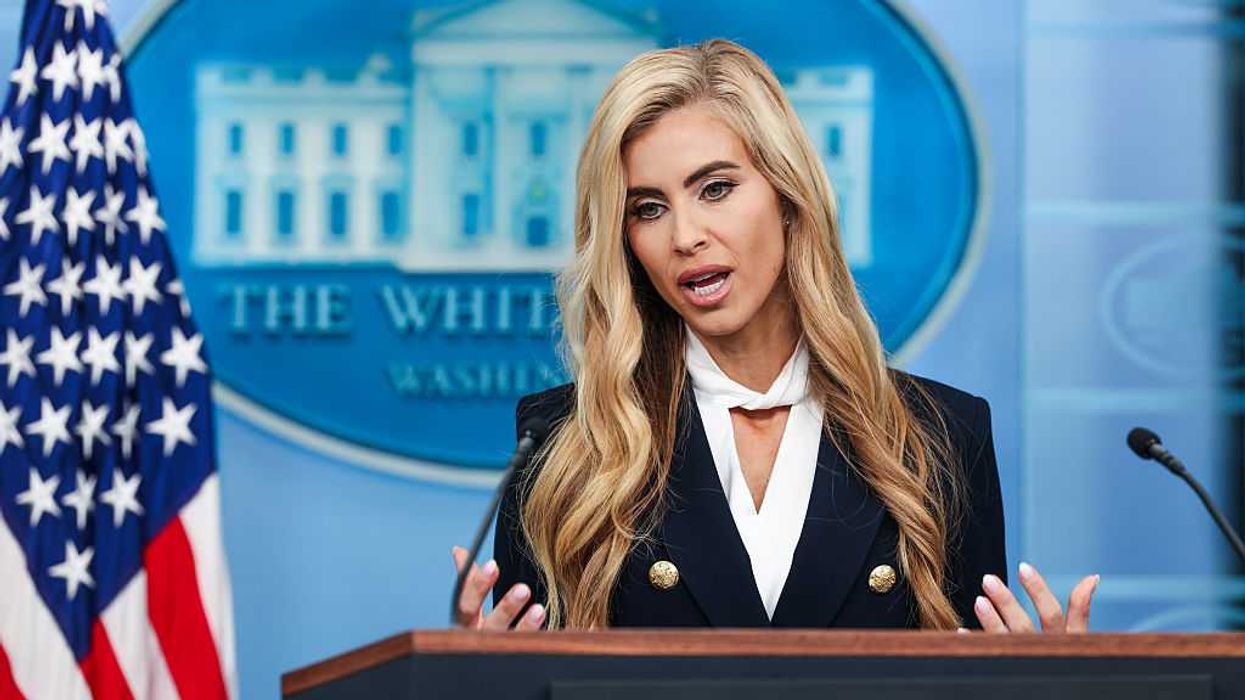
On Friday, just days after Katie Zacharia's debut as White House press secretary, a White House senior official informed Fox News' Peter Doocy that she is "transitioning out" of the role.
The New York Times, citing three people familiar with the matter, subsequently reported that Zacharia had been fired.
'Welcome to the world of Trump.'
The White House did not immediately respond to Blaze News' request for comment.
On the eve of her ouster, Zacharia had a particularly rough interview with Sean Hannity in which the Fox News host grilled her about failing the bar exam. President Donald Trump had referred to Zacharia as "an attorney" in his post announcing her appointment.
Zacharia explained that she graduated from law school the same week she got married and that she and her family soon afterward migrated to communist China. Before moving to China, she sat for the bar exam since she was already pre-registered and she wanted to avoid having "withdrawal status."
Hannity also pressed her about her "widely panned" 14-minute debut, in which she answered only three questions.
Trump told reporters on Friday that Zacharia, whom he regards as a "nice person," was being treated "pretty nastily" and that he told her, "You don't have to do this if you don't want. She said, 'This is a lot tougher.' I said, 'Welcome to the world of Trump.'"
"Katie is off to a start that — the news has been so nasty to her. I've never seen anything like it, actually," said Trump.
Although the president indicated that he would ultimately leave the decision up to Zacharia, he recalled telling her, "Honestly, if I were you, I'd reconsider. You think about it, but I would reconsider."
RELATED: Katie Zacharia takes podium for the first time as press secretary — and Trump reacts
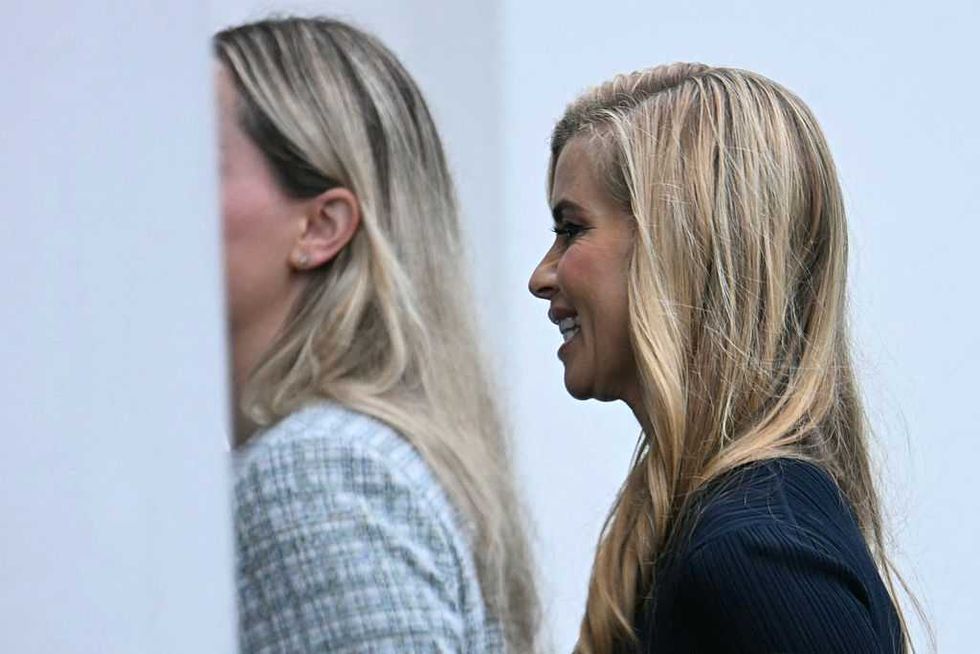 Jim WATSON/AFP/Getty Images
Zacharia, who was named to the role last Friday, was the seventh woman in a row to head the White House press secretary office.
It's presently unclear who will take over for Zacharia following her five-day tenure.
Like Blaze News? Bypass the censors, sign up for our newsletters, and get stories like this direct to your inbox. Sign up here!
- Ocasio-Cortez dumps BIG MONEY into El-Sayed campaign Fri, 16 Oct 2026 18:15:00 +0000
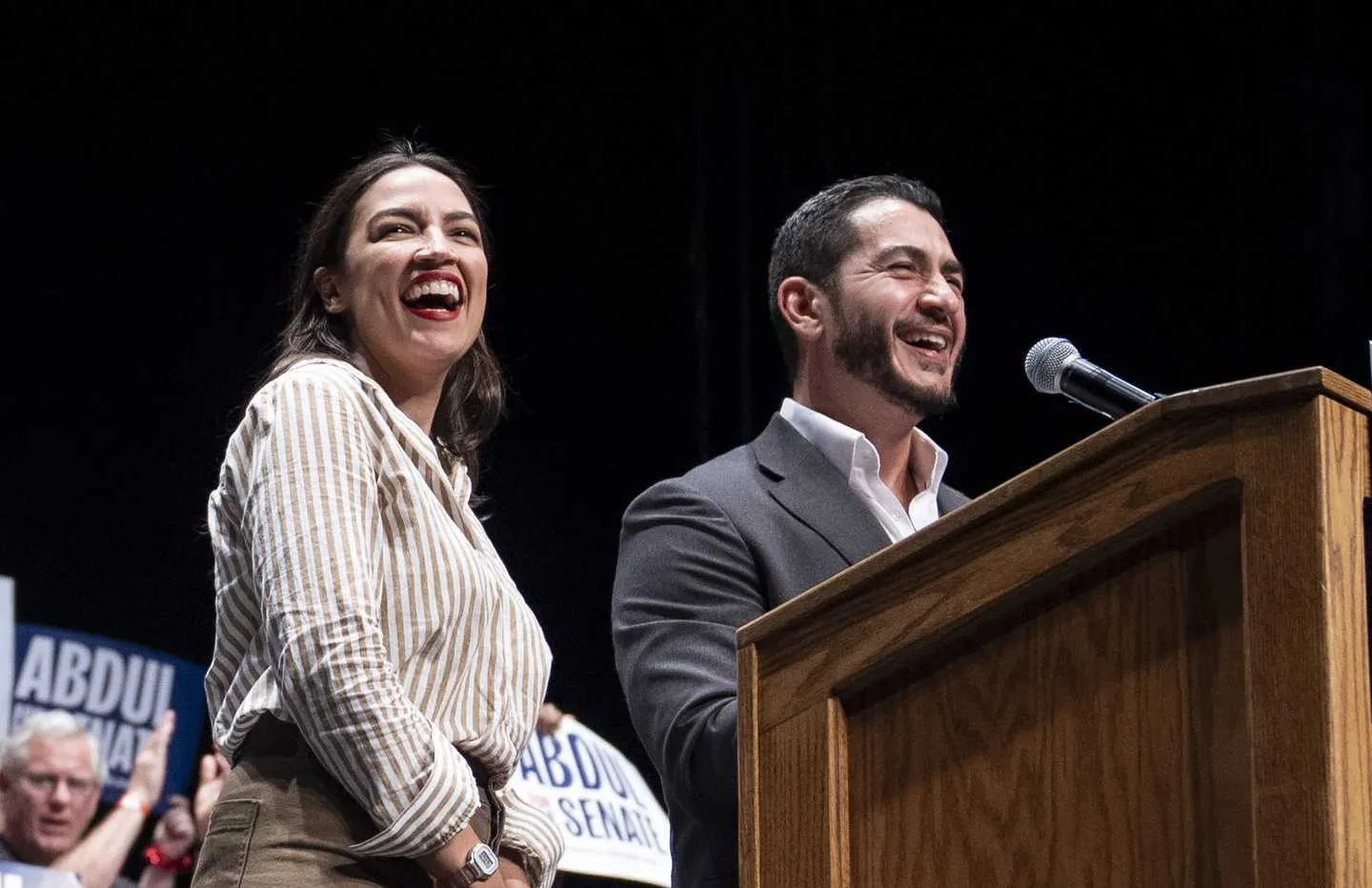
Democratic socialist Rep. Alexandria Ocasio-Cortez of New York has come to the rescue of Abdul El-Sayed.
The firebrand leftist has dumped $1 million into helping El-Sayed's effort to keep a Michigan U.S. Senate seat blue against Republican Mike Rogers. Sen. Gary Peters (D-Mich.) did not seek re-election in 2026.
'I look forward to working with Abdul ... to build a politics that is free from the corrupting influence of corporate money.'
It's the latest sign that Democrats are worried that the race is too close in the final weeks of the campaign.
"I'm not waking up on November 4 wishing I did more to combat the smears aimed at Abdul," AOC said in a statement to the New York Times. "I'm leaving everything I can on the field."
The Times indicated it was an unusually large donation from a member of the House to support a U.S. Senate candidate.
Winning in Michigan is key to Democrats' hopes to retake control of the Senate from Republicans.
It may also be another example of Ocasio-Cortez trying to raise her national profile in anticipation of a possible presidential run in 2028.
AOC joined El-Sayed in the Upper Peninsula of Michigan on Thursday. She also previously campaigned for El-Sayed in the Senate primary and when he ran for governor. Both El-Sayed and Ocasio-Cortez are considered to be in the extreme socialist fringe of the Democratic Party.
She raised $4.7 million in the third quarter, according to her financial filings, and has $17.4 million in cash going into October.
"Once he’s in Washington, I look forward to working with Abdul to guarantee health care as a human right for all Americans and to build a politics that is free from the corrupting influence of corporate money," she said, according to USA Today.
RELATED: Ocasio-Cortez gets hammered online over embarrassing mistake during CNN town hall
El-Sayed's victory over Rep. Haley Stevens in the Democratic primary was seen as a victory for the far-left fringe against the establishment of the party. Senate Minority Leader Chuck Schumer of New York had backed Stevens, who lost by a narrow margin.
In recent polling for the Democratic presidential nomination in 2028, Ocasio-Cortez was tied with Pete Buttigieg in third place with 9%.
El-Sayed has a slim lead over Rogers, according to Blaze News' Poll Watch.
Michigan Senate polls 2026: El-Sayed vs. Rogers
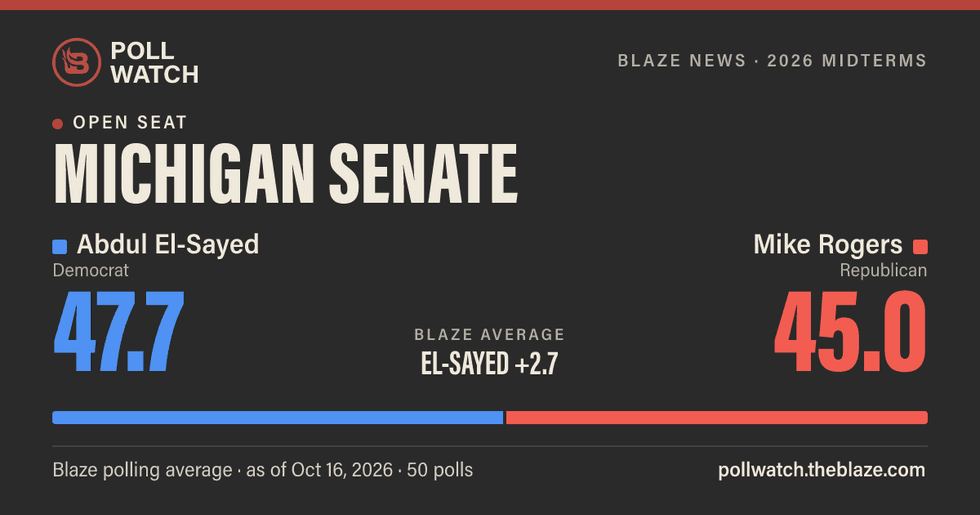 Michigan Senate polls 2026: El-Sayed vs. Rogerspollwatch.theblaze.com
Like Blaze News? Bypass the censors, sign up for our newsletters, and get stories like this direct to your inbox. Sign up here!
- These nasty iPhone exploits want to steal your money. Here's how to protect yourself. Fri, 16 Oct 2026 18:00:00 +0000

Earlier this year, a nasty exploit plagued iPhone in what was called the “biggest iPhone threat in 19 years.” Unfortunately, several months later, that exploit is still causing trouble, and it is joined by another vulnerability, all aimed to steal money from some of the financial apps on your phone.
The two exploits are called Coruna and DarkSword, respectively. We covered both of them here on Blaze News, so you may have heard these names before. Both of them were problematic earlier this year, but a new report reveals that they are still plaguing users.
The easiest way to thwart bad actors is to keep your phone updated with the latest bug fixes and security patches.
Macworld describes the exploits as two sides of the same coin: “DarkSword/Coruna is a dual-edged hacking toolkit. DarkSword attacks WebKit and JavaScriptCore to access iOS’s SpringBoard that [manages] app launch and the Home screen. Coruna is the payload used to steal crypto wallet information.”
Together, the exploits are aimed directly at crypto wallets stored on users’ iPhones. Censys, the cybersecurity company that discovered the ongoing issue, got ahold of some of the data that an undisclosed hacker stole via these exploits. Among the recovered data from real victims, Censys found “11 victim recovery phrases, 179 device loot directories, and a 75-account control-plane roster.”
That is proof enough that these exploits are still dangerous to vulnerable users.
In addition to the collected data, Censys found evidence that another hacking group — this time based in China — is actively using the exploits to attack victims, though the report doesn’t say who or where.
So far, Censys found that bad actors using the exploits are targeting only 18 different crypto wallets, but several of them are popular in the United States. These include Coinbase, MetaMask, Trust Wallet, Exodus, Bitpie, imToken, Phantom, Uniswap, and OKEx.
RELATED: Your iPhone has state-of-the-art security features. Law enforcement has a new way to disable them.
 Hleb Usovich/Getty Images
The good news is that there are ways to protect your device and, by association, your crypto wallets.
Apple patched DarkSword earlier this year, but the fix only works if you have the correct software downloaded and installed on your device. To check, open the Settings app on your iPhone and tap “General,” followed by “Software update.” If the number that appears is iOS 26.3 or higher, you’re safe. If your device is running a lower version of iOS 26, or if you’re still on iOS 18 from the previous year, your crypto wallet could be in danger. Update your phone to the latest version available now.
As for Coruna, this exploit mostly affected older devices from iPhone 5s to iPhone 11. If you still have one of these devices, make sure you have updated it to any of these iOS versions or better, depending on the model of your phone:
- iOS 26.3.1
- iOS 18.7.5
- iOS 16.7.14
- iOS 15.8.6
- iOS 12.5.8
Both exploits have also been fully addressed on the newest version of iOS 27 that launched this fall. Along with optimal protection from bad actors, iOS 27 comes with a number of interesting features, including the new Siri, better parental controls, and a more accessible Visual Intelligence.
Although these exploits are still rearing their ugly heads, the easiest way to thwart bad actors is to keep your phone updated with the latest bug fixes and security patches. This way, even if there is a problem, Apple can address it on your device as quickly as possible and keep your data safe.
Like Blaze News? Bypass the censors, sign up for our newsletters, and get stories like this direct to your inbox. Sign up here!
- Philly women's sports bar named after transgender activist closes following claims it wasn't inclusive enough Fri, 16 Oct 2026 17:46:10 +0000
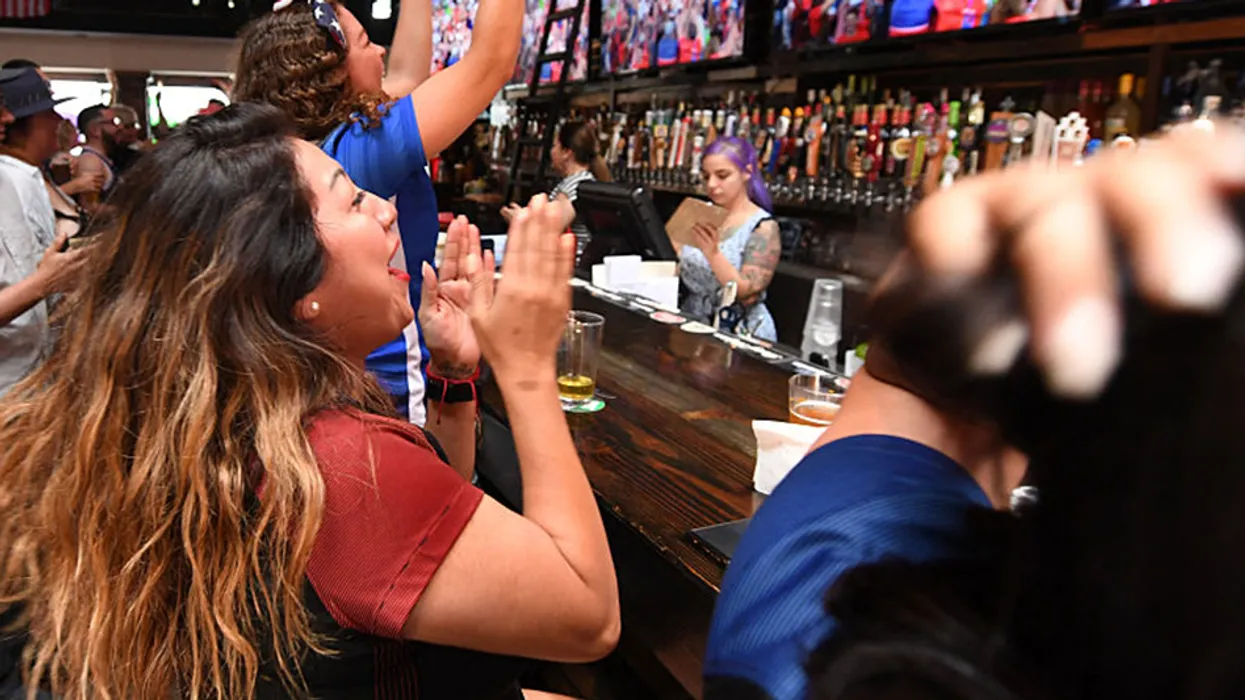
A sports bar that called itself a hub of the queer community in Philadelphia is closing its doors after just over a year.
The bar was meant to serve as a counter to businesses that prioritize male sports on its TV screens over women's, a common origin story for these types of bars.
'More than ever this city needs more women/queer/BIPOC-owned businesses.'
In September 2025, owner Chivonn Anderson opened Marsha's, named after Marsha P. Johnson, a man the New York Times described as a "transgender pioneer and activist."
Anderson told the Philadelphia Inquirer at the time that she opened her bar because she couldn't find a place in Philadelphia that would put on the 2019 Women's World Cup.
However, despite its desire to be an inclusive location, the bar faced claims from former employees that they were mistreated, with one saying the bar was disparaging toward female employees.
As reported by the Advocate, that employee had claimed a manager said that women and nonbinary employees were "overly emotional" and should be replaced with men because the venue needs "more testosterone."
Anderson denied the claims, but vowed to speak with independent human resources and DEI consultants to hold her bar "accountable."
RELATED: 'Equality' in pay and 'everything' bar for women's sports opens in Seattle
 Watch Me! Sports Bar, Long Beach, California, 2024. Allen J. Schaben/Los Angeles Times/Getty Images
The bar invited patrons for its "final weekend" in an Instagram post this week, saying that it was closing its doors for good.
"We have loved serving this community, and still believe that more than ever this city needs more women/queer/BIPOC-owned businesses. We sincerely hope that someone is able to step up and fill this void," Marsha's wrote.
Anderson provided bizarre statements to the Inquirer when the bar launched, saying she wanted to open a place for those who want to "go out and have fun and feel safe and be seen."
Followed by, "It's kind of like you're going to your favorite aunt’s house to indulge in the things you know you're not supposed to when you're at home," Anderson continued. "A little bit of drinking, a little bit of good food, and being around people who want to have just as much fun as you do."
RELATED: The strange masculinization of American women
 The Sports Bra, Portland, Oregon, 2024. Amanda Loman/Getty Images
Marsha's inception story was similar to that of Seattle women's sports bar Rough & Tumble. For that venue, owner Jen Barnes said in 2022 that she couldn't find a bar that would turn on a women's soccer game because it was on at the same time as a Seattle Seahawks NFL game.
Rough & Tumble has since reportedly opened a second location in Seattle, while other women's sports bars have found success in other cities, like Portland, where the Sports Bra has been open for a couple of years. The Sports Bra now has plans to open another in bar in Boston.
Long Beach, California, has the Watch Me! Sports Bar, which has enjoyed two years of business, as well.
Like Blaze News? Bypass the censors, sign up for our newsletters, and get stories like this direct to your inbox. Sign up here!
- Nick Freitas: Social Security is a ‘Ponzi scheme’ — and America is running out of time Fri, 16 Oct 2026 17:30:00 +0000

Millions of Americans have spent their working lives paying into Social Security, counting on the government to deliver the retirement benefits they were promised — and that promise isn’t being kept.
BlazeTV host Nick Freitas argues that it’s because Social Security operates less like a traditional retirement account than a system that uses today’s workers’ contributions to pay today’s retirees, leaving future generations to shoulder an increasingly difficult burden.
“There’s been a lot of … Boomers that have said, ‘Well, of course, we, you know, younger people should pay more taxes in order to make sure Social Security is solvent,’” Freitas says.
“Social Security,” Freitas says, “essentially operates like a Ponzi scheme.”
“Now, when I say this, people get mad at me. But I want you to understand why these are the things which are actually going to throw us into a massive fiscal and monetary crisis, because when people paid in, it is perfectly reasonable for somebody that was forced to pay into Social Security their entire life to want to be able to pull from Social Security because they were promised it,” he explains.
“The problem is you were promised a bad program,” he says, “because in a typical retirement program, the money goes into a productive industry. It accrues interest while things are being built and being produced that are actually making the economy better.”
“They act like it’s just another retirement program, but in reality, all the money you put into Social Security was already spent,” he continues.
“It wasn’t sitting somewhere accruing interest. It wasn’t funding productive projects that actually yielded profit. It wasn’t doing any of that. It wasn't doing any of the things a private retirement fund would do for you. It was just paying the people that were already collecting Social Security,” he adds.
This is why he equates it to a “Ponzi scheme.”
“Because now the critical part is we don’t have enough people working. When Social Security was first put into existence, there was something like 45 workers for every one person drawing Social Security,” he explains, noting that “it’s about to be three to one.”
And in addition, Freitas points out that “the left brings in a bunch of people that don’t pay taxes or actually go on to other welfare benefits.”
“Now they’re a net drain on the economy,” he adds.
“Making the Argument with Nick Freitas” is available on BlazeTV+, YouTube, and major podcast platforms.
Start watching Nick Freitas NOW at blazetv.com and use the promo code NICK for $20 off your BlazeTV+ subscription.
- MEAN GIRLS: 'View' crew preaches girl power ... unless you're Republican Fri, 16 Oct 2026 17:00:00 +0000

“The View” crew blew a gasket over Shane Gillis’ “Saturday Night Live” monologue mocking scantily clad gym gals. At the same time, they dabbled in actual misogyny.
Even by “View” standards, it was peak hypocrisy.
Biden, the actor said weeks before the president melted down during his final debate, was 'sharp as a tack.'
The hosts trashed Katie Zacharia, who by most accounts had a rough debut as the new press secretary. She’s a Republican, so she’s fair game to “The View.” And that’s fine. We expect the show’s partisanship to trump any “girl power” collegiality.
It’s baked into the nutty cake.
Except the hosts suggested that Zacharia slept her way into the position. Co-host Alyssa Farrah Griffin asked how she “got through the door” to become the new press secretary.
“I’ll tell ya how she got through the door,” Sara Haines said, sparking laughs from the oh-so-feminist crowd and co-hosts.
Titter-titter. Chuckle-chuckle. What’s more empowering than women insisting other women got work through sexual favors sans proof? Let’s hope Gillis doesn’t riff on Kamala Harris’ early days in politics. He might get canceled yet again …
Conspiracy bleary
The truth is out there, but you’ll need a Hulu subscription to find it.
Director Ryan Coogler’s “X-Files” reboot landed on the streamer this week. The project stars Danielle Deadwyler and Himesh Patel, taking over for Gillian Anderson and David Duchovny. The actors play entirely new characters in the series, but it looks like Mulder and Scully will make appearances along the way.
Imagine the new conspiracies the show can tackle! The government spreads massive lies about a China-born infection … a foreign country teams with a political rebel to win an election … a U.S. president’s cognitive decline is hidden for four straight years.
Or the show could bring in the son of the Smoking Man. We’ll see …
Did he stutter?
Well, that was awkward.
Michael Douglas has done it all in his 82 years, at least from a Hollywood perspective. Oscars. Acclaim. Nepo baby-ism. What a life.
What hasn’t he done? Sit with someone willing to debunk his boilerplate Democrat views. He got that chance, finally, when Joe Rogan read him, and his audience, the riot act on progressives gone wild.
An open border? No honest primaries for year after year? And, most specifically, they covered up for a president who clearly had some form of dementia.
You know the thing.
Rogan was on a roll, but the most awkward element of their exchange dealt with Biden’s obvious decline. Why? It wasn’t long ago when Douglas was part of the Biden cover-up.
Biden, the actor said weeks before the president melted down during his final debate, was “sharp as a tack.” Douglas even cited Biden’s “stutter” excuse that mysteriously appeared over the past few years after decades in D.C.
Douglas appears to be legitimately “sharp as a tack,” thank goodness. Let’s hope he took away some lessons from the exchange …
RELATED: Shattered by socialism: 'Escaping Venezuela' offers a warning for Mamdani's America
 Yamil Lage/Getty Images
Laugh track
Chuck Lorre blames a Hollywood writers' strike for the end of democracy.
Sort of.
He framed it that way in his new book, a memoir called “Sitcom.” After all, Lorre has made more than a few modern classics, from “The Big Bang Theory” to “Two and a Half Men.”
Credit where credit is due.
The far-Left Deadline.com pressed Lorre on that hyperbolic phrasing, tied to the 2007-2008 WGA strike that helped spark a crush of new reality showcases.
Like “The Apprentice,” starring Donald Trump, he insinuated. Except Lorre might be bad at math, since “The Apprentice” debuted in 2004.
The strike, he said, “brought about these enormously profitable, cheap-to-produce reality shows … and that ultimately led to a show like 'The Apprentice,' which probably would never have seen the light of day had it not been for that.”
Who knew a reality show could end the greatest nation on earth?
Either way, Lorre could ask Young Sheldon for help on his math skills …
Air ball
What the world doesn’t need is another John Oliver. One is one too many, culturally speaking. But former NBA star Blake Griffin sees the far-left HBO host as a model, of sorts, for his new sports-themed late-night show.
“The Stepback with Blake Griffin” soon bows on Amazon and YouTube, with Griffin hailing Oliver as his role model.
The funniest part? Someone thinking late-night TV is the future and itching for a seat at the table.
- Teenager fatally shoots 3 children, teacher at Oregon elementary school before parent shoots gunman dead, police say Fri, 16 Oct 2026 16:45:00 +0000

A 16-year-old male fatally shot three children and a teacher at Silver Rail Elementary School in Bend, Oregon, Thursday afternoon before a parent shot the gunman dead, OregonLive reported, citing police.
Police said the fatally shot children were ages 5, 8, and 11, the outlet reported, adding that a 7-year-old student and a 54-year-old teacher were critically injured and taken to St. Charles Medical Center for treatment.
Oregon Gov. Tina Kotek (D) praised school staff, parents, and first responders, along with the community member 'who heroically intervened to stop further loss of life,' Fox News reported.
Oregon Live added that a parent of a student or students at the school pursued the teen inside the school after seeing him blast through locked doors with a long gun, and the parent “engaged” and killed the suspect just before police entered the school.
State and local officials credited the parent's actions with preventing further loss of life, the outlet said.
One source told Fox News that the bystander "definitely prevented more deaths." Federal law enforcement sources added to Fox News that the bystander has a concealed carry permit.
“Looks like the shooter has been neutralized — possibly shot by a father at the school,” emergency dispatchers said in Broadcastify audio, the New York Post reported.
Officers arrived within three minutes of the first emergency call, Fox News said, adding that moments later, an officer reported that a "community member" had shot the suspect.
"Our officers entered the building and confirmed the suspect was dead," Bend Police Chief Mike Krantz said during an evening news conference, according to Fox News. "They cleared the school to ensure there were no additional threats and then rendered emergency aid to the victims."
Oregon Gov. Tina Kotek (D) praised school staff, parents, and first responders, along with the community member "who heroically intervened to stop further loss of life," Fox News reported.
"Your actions carry a heavy emotional burden, and I just want you to know that my thoughts are with you as well," Kotek added, according to the cable news network.
Krantz said investigators did not yet know how far the shooter had gone inside the school or if he knew anyone at the school, Fox News said, adding that police were also looking into whether the teen previously attended Silver Rail Elementary.
More from Fox News:
The first emergency call came at 12:59 p.m. from a person in a vehicle who reported being shot at multiple times by someone carrying a long gun, Krantz said. Dispatchers then received dozens of calls reporting that a shooter had entered the school.
Dispatch sent an alert summoning all law enforcement at 1 p.m. Responding officers directed the school to lock down at 1:01 p.m., and the first officers arrived at 1:02 p.m.
Officers found five people dead at the scene, including the shooter. All victims’ families had been notified, Krantz said.
Bend police, the Deschutes County Sheriff’s Office, Redmond police, Oregon State Police, and federal law enforcement partners evacuated the building room by room.Students and staff were transported on school buses to Journey Church to reunite with families and guardians, the cable news network said, adding that the process was still under way at the evening briefing.
Silver Rail Elementary serves kindergarten through fifth grade in the Bend-La Pine school district, Fox News said, adding that the school enrolled 459 students during the 2024-2025 school year.
All Bend-La Pine schools, activities, and athletic events were canceled Friday, the cable news network said.
Bend-La Pine Schools Superintendent Steven Cook said crisis counselors would be available at the Central Library for students, families, employees, and anyone in the community needing support, Fox News reported, adding that authorities said they planned to hold another news conference Friday afternoon.
Like Blaze News? Bypass the censors, sign up for our newsletters, and get stories like this direct to your inbox. Sign up here!
- Trump pleads not guilty to 34 felony counts
- Haberman reveals why Trump attacked judge and his family in speech Wed, 05 Apr 2023 13:30:09 GMT
CNN political contributor Maggie Haberman explains the reasoning behind Donald Trump's attacks on the judge and his family during a speech at his Mar-a-Lago resort after he was arraigned on felony charges. - What to know about the Trump indictment on the eve of his court appearance Wed, 05 Apr 2023 22:50:06 GMT
- READ: Trump indictment related to hush money payment
- Russian authorities detain suspect over St. Petersburg cafe blast
- Video shows moment of deadly explosion at cafe in Russia Tue, 04 Apr 2023 01:08:44 GMT
A well-known Russian military blogger, Vladlen Tatarsky, was killed in an explosion at a cafe in St. Petersburg, authorities said. CNN's Matthew Chance reports. - Wall Street Journal reporter Evan Gershkovich appeals against arrest, Russian state media says Mon, 03 Apr 2023 13:58:58 GMT
- Suspected Chinese spy balloon was able to transmit information back to Beijing Mon, 03 Apr 2023 13:38:22 GMT
The suspected Chinese spy balloon that transited the US earlier this year was able to capture imagery and collect some signals intelligence from US military sites, a source familiar with the matter tells CNN. - Beijing promised to 'fight back' over Taiwan leader's US visit. But this time it has more to lose Tue, 04 Apr 2023 07:49:53 GMT
An anticipated meeting between Taiwan's President Tsai Ing-wen and US House Speaker Kevin McCarthy in California this week has sparked concerns of a repeat of the pressure campaign China launched last year when then-Speaker Nancy Pelosi visited Taipei. - 'Scary, cold, hungry and lonely': Volunteer soldier shares experience on front line Mon, 03 Apr 2023 12:13:24 GMT
A young volunteer soldier, Akula, who signed up for the war at the beginning of the Russian invasion is now dealing with the trauma of war. He spoke to CNN's David McKenzie about his time on the front lines and how it has affected his mental health. - The four astronauts NASA picked for the first crewed moon mission in 50 years Tue, 04 Apr 2023 11:44:30 GMT
Astronauts who will helm the first crewed moon mission in five decades were revealed on Monday, queuing up the quartet to begin training for the historic Artemis II lunar flyby that is set to take off in November 2024. - French minister under fire for Playboy magazine cover Mon, 03 Apr 2023 11:54:59 GMT
French government minister Marlene Schiappa has come under fire from members of her own party after appearing on the front cover of Playboy magazine. - Why did Finland's PM lose? Reporter explains the key issue voters cared about Mon, 03 Apr 2023 10:06:11 GMT
Finland's left-wing Prime Minister Sanna Marin conceded defeat in the country's parliamentary election as the opposition right-wing National Coalition Party claimed victory in a tightly fought contest. CNN's Laila Harrak spoke with New York Times' Chief Diplomatic Correspondent Steven Erlanger to discuss how the popular politician lost the election. - Britain's pound is beating every other major currency this year Tue, 04 Apr 2023 18:49:31 GMT
The British pound crashed to a record low last fall as investors rebelled against budget plans by former Prime Minister Liz Truss. Now, it's enjoying a comeback. - Finland's Prime Minister Sanna Marin concedes election Mon, 03 Apr 2023 10:24:55 GMT
Finland's left-wing Prime Minister Sanna Marin conceded defeat on Sunday in the Nordic country's parliamentary election as the opposition right-wing National Coalition Party (NCP) claimed victory in a tightly fought contest.
- Bystander Who Killed School Shooter Identified as Father Who Carries Concealed Fri, 16 Oct 2026 21:36:58 +0000
The bystander who police said shot and killed the Silver Rail Elementary shooter has been identified as Kaylub Giamanco, the father of two daughters who attend the school.
- PROMISE KEPT: Trump Delivers Most Secure Border in History - 96 Percent Drop from Biden's Crisis Peak Fri, 16 Oct 2026 21:19:13 +0000
The Department of Homeland Security (DHS) announced on Friday a historic report revealing the lowest number of migrant arrests along the southwest border in agency history. Border Patrol agents apprehended fewer than 99,000 migrants who illegally crossed the border between ports of entry during the just-ended Fiscal Year 2026. This represents a 95 percent drop from the average of 1.8 million migrants per year during the Biden Border Crisis.
- Report: White House Press Secretary Katie Zacharia 'Transitioning Out' of Role Fri, 16 Oct 2026 18:01:32 +0000
White House press secretary Katie Zacharia is reportedly "transitioning out" of her role after receiving criticism regarding her legal background.
- Trump: Israel Has Been ‘Very Helpful’ to Saudi Arabia Against Houthis — Abraham Accords ‘More Than Ever’ Possible Fri, 16 Oct 2026 21:58:38 +0000
President Donald Trump said Friday that Israel has been assisting Saudi Arabia against Iran-backed Houthi terrorists and suggested the kingdom may be closer than ever to joining the Abraham Accords, amid an escalating offensive against the kingdom.
- Trump: 'Zero Chance' I Replace Susie Wiles, 'She's Going to Be Here for a Long Time' Fri, 16 Oct 2026 20:51:59 +0000
President Donald Trump said Friday there is "zero chance" he will replace White House Chief of Staff Susie Wiles and that she will be in his administration "for a long time."
- NC Dem Jamie Ager’s Farm Hosted Kid-Friendly Festival Featuring Drag ‘Nuns’ ‘Sister Domina Trix,’ ‘Sister Helen Bedd' Fri, 16 Oct 2026 19:37:23 +0000
North Carolina Democrat congressional candidate Jamie Ager’s family business hosted a 2019 fantasy festival promoted to families and children that featured the Beer City Sisters, a group that described itself as “21st Century nuns” and has hosted recurring “Drag Comedy Show” events.
- Breitbart Business Digest: Inflation Takes Flight, and AI Debt Hits Turbulence Sat, 17 Oct 2026 00:28:13 +0000
The Weekly Wrap: Wall Street’s Adventures in Wishful Listening Welcome back to Friday! This is another edition of the Breitbart Business Digest weekly wrap. It was inflation week in America. The consumer price index jumped 0.6 percent because greedy drivers
- Ty Cobb: Trump's DOJ Attacking 'Election Mechanisms on Every Front' Sat, 17 Oct 2026 00:04:05 +0000
Friday on CNN’s “OutFront,” former White House lawyer Ty Cobb said at President Donald Trump’s direction, the Department of Justice is attacking “the election mechanisms on every front.” Cobb said, “If people have been listening, frankly, it’s been out there in black and
- Ex-NFL Punter Kasey Redfern Dies at 35 Fri, 16 Oct 2026 22:38:35 +0000
Former NFL punter Kasey Redfern has died at 35, according to South Carolina officials.
- CNN's Stelter: Trump 'Is Trying to Push the Press Out' Fri, 16 Oct 2026 20:35:01 +0000
Friday on CNN’s “News Central,” Chief Media Analyst Brian Stelter said President Donald Trump is “is trying to push the press out.” Stelter said, “The reality is there are not daily press briefings from this White House the way there
- Brazil Logs Record Oil Sales to China After Strait of Hormuz Crisis Fri, 16 Oct 2026 22:04:16 +0000
China’s loss of Persian Gulf oil due to the Strait of Hormuz crisis turned out to be Brazil’s gain, as the trade volume between Brazil and China hit a record $142 billion by September 2026, fueled by soaring exports of Brazilian oil.
- Kash Patel Says FBI Cleared 1.8 Million Backlog of DNA Samples to Zero Fri, 16 Oct 2026 21:52:53 +0000
FBI Director Kash Patel said the bureau cleared a backlog of DNA samples that once topped 1.8 million to zero in less than a year and a half.
- 40 Florida Rabbis from 17 Cities Back Byron Donalds for Governor in Open Letter Fri, 16 Oct 2026 19:51:45 +0000
40 Florida rabbis representing Jewish communities in 17 cities have endorsed Rep. Byron Donalds (R) for governor in an open letter released Friday.
- Peggy Flanagan Appointed Known Fraudster to Minnesota's Soft-On-Crime Board Fri, 16 Oct 2026 19:56:53 +0000
Far-left Minnesota Democrat Senate candidate Peggy Flanagan helped create a soft-on-crime policy board while Somali gang violence continues to go up, and reappointed a known fraudster in 2025 to a leadership position.
- Exclusive — Secretary Marco Rubio Explains ‘America First’ Foreign Policy: ‘Common Sense,’ ‘What’s Right for America Before Anything Else’ Thu, 15 Oct 2026 23:59:02 +0000
WASHINGTON — Secretary of State Marco Rubio told Breitbart News exclusively that critics of the America First foreign policy are dead wrong.
News Web Sites
Columnist/Blog Web Sites
This page has been visited 27 times today and 1,421 times since May 11, 2015.